
The Community Services domain focuses on care and support systems, including healthcare, care services, senior services, and emergency preparedness. Research in this domain focuses on developing frameworks and innovative methods for measuring the availability and accessibility of community services, going beyond mere presence to assess their quality, quantity, and access.
 Care Services
Medical care services play a critical role in preventing or delaying cognitive decline and dementia by providing treatment for underlying risk factors. Better access to medical care resources such as hospitals, clinics, physicians, and nurses in one’s community may contribute to the early detection and treatment of dementia risks through increased utilization of medical services. Home- and community-based care services are provided by family, home health aides, adult day services, respite care, and post-acute care facilities; access to such services may reduce risks of dementia and promote resilience to cognitive decline.
 Civic and Social Services
Social support and engagement promote better cognitive function. Senior and civic services include activities that facilitate social support and engagement, such as community gardening, exercise programs, meal delivery, and financial management. Support provided by these services contributes to lowering dementia risk with cognitive stimulations and to resilience for people with a high risk of dementia while they manage challenges related to functional decline.
 Emergency and Safety Services
Safety and emergency services contribute to the surveillance, preparedness, and responsiveness to natural and human-made disasters, such as fire, floods, or infectious disease outbreaks. By alerting about and responding promptly to hazardous environments and incidents, these services may protect people from being exposed to dangerous conditions that may contribute to cognitive decline. The availability of safety and emergency services may help improve the safety of individuals with a high risk of dementia who are more vulnerable to the adverse environment and require additional support.
Available Resources
In the Pipeline
In the fall of 2024, the GECC hosted a series of town hall meetings with hundreds of unique participants. These meetings yielded critical insights for the Community Services domain, including highlighting key themes and gaps in research.
Key Themes
Gaps in Research
To address these priorities and facilitate a better understanding of the relationship between the exposome and AD/ADRD outcomes, the Community Services domain will leverage existing measures as well as develop novel measures.
Short-Term Priorities
Long-Term Priorities

HwaJung Choi
University of Michigan
Domain Co-Lead

David Van Riper
University of Minnesota
Domain Co-Lead

Bona Park
University of Michigan
Research Coordinator

McKayla Wenner
University of Southern California
Domain Coordinator

Zoey Wang
University of Michigan
Postdoctoral Scholar
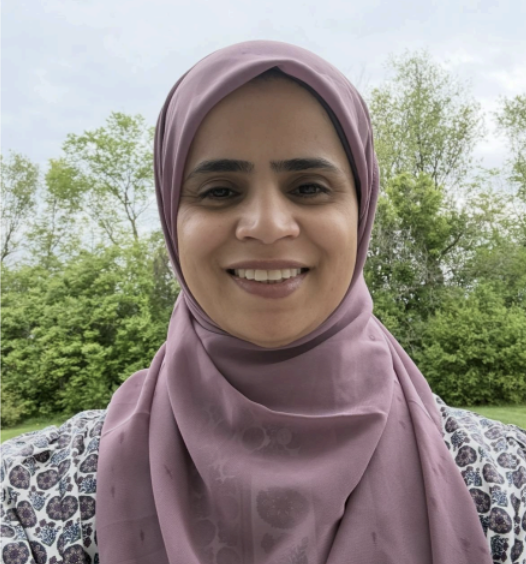
Rahat Naseem
University of Michigan
Research Area Specialist

Bert Melix
University of Minnesota
Postdoctoral Scholar

Arrianna Marie Planey
University of North Carolina at Chapel Hill
Domain Expert, Care Services

Regina Shih
Emory University
Domain Expert, Care Services

Alexander Chaitoff
University of Michigan
Domain Expert, Civic and Social Services

Amber DeJohn
Florida State University
Domain Expert, Civic and Social Services

Jessica Finlay
University of Colorado Boulder
Domain Expert, Civic and Social Services

Johnathan Cohen
University of Southern California
Domain Expert, Civic and Social Services

Terrianne Reynolds
Alzheimer's Association
Domain Expert, Civic and Social Services

Blake Buchalter
University of Alabama at Birmingham
Domain Expert, Data/Methods
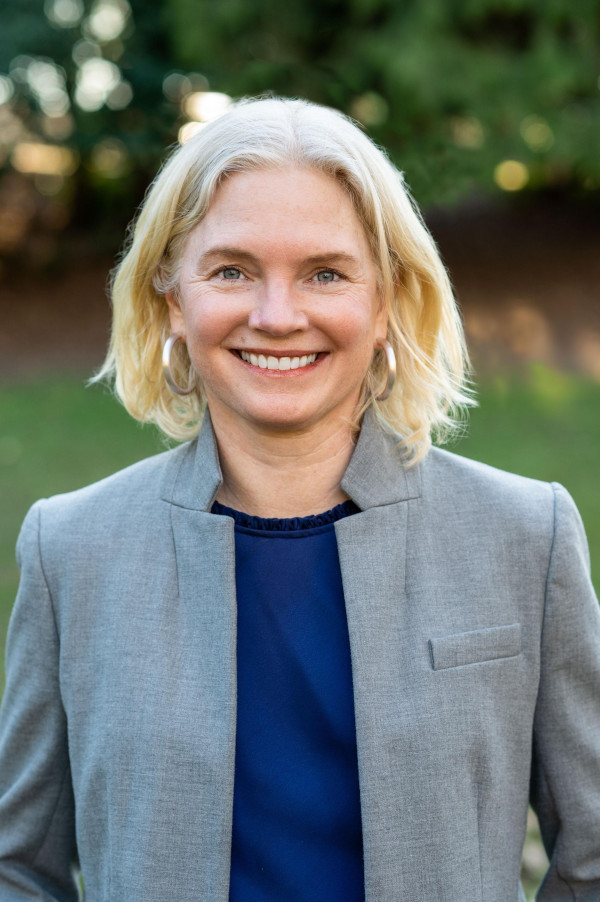
Courtney Van Houtven
Duke University School of Medicine
Domain Expert, Data/Methods

Kelly Peters
Domain Expert, Data/Methods

Lorna Thorpe
NYU Grossman School of Medicine
Domain Expert, Data/Methods

Eric Lind
University of Minnesota
Domain Expert, Data/Methods

Arnab Ghosh
Weill Cornell Medicine
Domain Expert, Emergency and Safety Services

Sue Anne Bell
University of Michigan
Domain Expert, Emergency and Safety Services
The GECC is funded by the National Institute on Aging (NIA) U24AG088894.