
The Methods team focuses on key statistical and methodological issues that pose important challenges to research on Alzheimer’s disease and related dementias (AD/ADRD) and the exposome across the six substantive GECC exposome domains.
Research in this area is cross-cutting, multidisciplinary, and collaborative, focusing on topics impacting multiple domains, including the appropriate measurement of exposome domains, and the development and use of appropriate models to describe the associations between exposures and AD/ADRD outcomes.
The Methods core has three overarching aims:
Estimates of various exposures, such as air quality or access to healthcare services, are often based on imperfect data. The methods team will focus on comparing, assessing, and developing a range of approaches to reduce bias and increase precision of estimates in the presence of many of the commonly occurring data challenges across substantive domains.
Though research often focuses on one exposure at a time, individuals exist in a complicated world and are constantly faced with multiple, potentially interacting, exposures. Understanding and developing the optimal approaches for capturing and modeling these interactions is an important methodological topic.
There are many possible sources of bias or reasons why a study may get the wrong answer. Issues around who is in the study (selection bias) or the quality of measurement (measurement error) are important topics that the Methods team will explore. Additionally, understanding how to synthesize evidence and triangulate findings across different types of studies can help in reducing risk of bias.
Available Resources
In the Pipeline
In the fall of 2024, the GECC hosted a series of town hall meetings with hundreds of unique participants. These meetings yielded critical insights for the Methods domain, including highlighting key themes and gaps in research. Even among conversations that focused on specific exposome domains, such as the social environment, questions related to methodological approaches were pervasive throughout discussions.
Key Themes
Gaps in Research
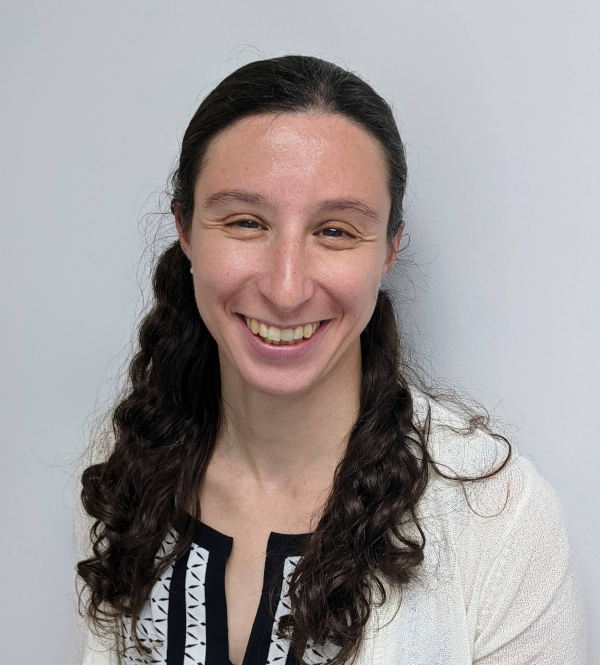
Emma Nichols
University of Southern California
Epidemiologist & Domain Lead
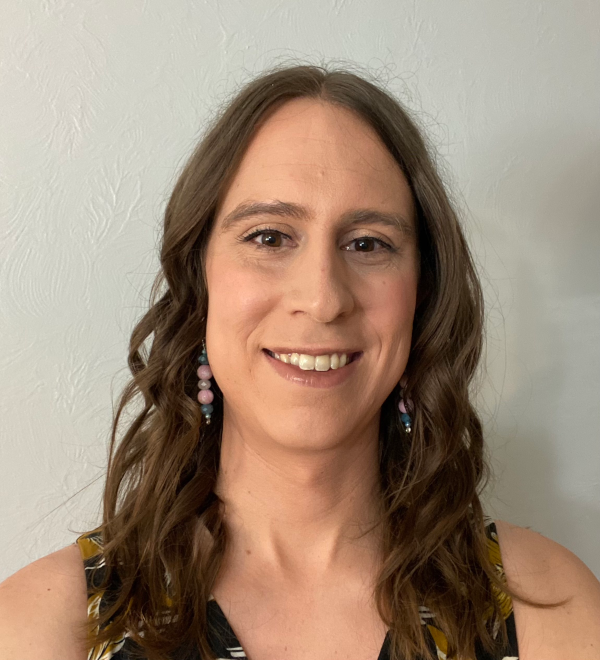
Kayleigh Keller
Colorado State University
Biostatistician

Yao-Yi Chiang
University of Minnesota
Computer Scientist

Birgit G. Claus Henn
Boston University
Environmental Epidemiologist

Howard Chang
Emory University
Biostatistician

Adam Szpiro
University of Washington
Biostatistician

Eleanor Hayes-Larson
University of Southern California
Epidemiologist

Jennifer Weuve
Boston University
Epidemiologist

Regina Shih
Emory University
Epidemiologist

Katrina Kezios
Boston University
Life Course Epidemiologist

Eden Wetzel
University of Southern California
Domain Coordinator
The GECC is funded by the National Institute on Aging (NIA) U24AG088894.